Last updated: September 2026. Fees, timings and rules change — confirm key details on the official portal before you travel.
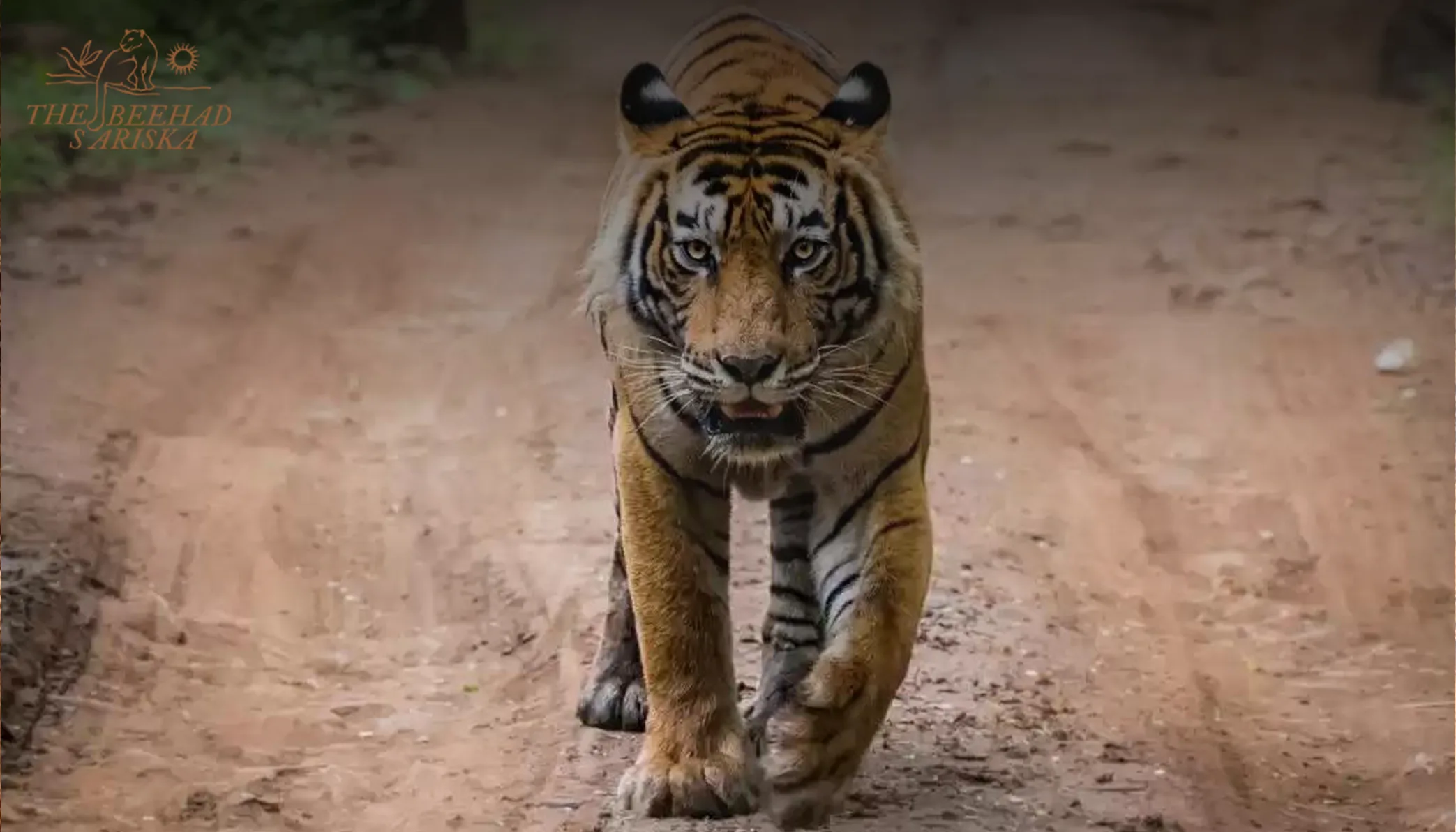
In 2005, the forest went silent — Sariska's last tiger was gone, poached out of existence. Three years later in 2008, wildlife officials did something no one had pulled off before: they brought tigers back from Ranthambore. Today that same forest holds around 50 tigers. Visitors come here for jeep and canter safaris, old temples and forts, and the chance to see a wild tiger.
Sariska Tiger Reserve is located in Alwar district, Rajasthan, set in the Aravalli hills. It lies about 110 km from Jaipur and about 200 km from Delhi. This guide covers what you need to plan a trip. You will find how to reach the reserve, the best season, safari timings and booking, wildlife, nearby places and where to stay. This also includes how to choose a resort in Sariska that suits your safari plan. Rules and fees can change, so confirm the key details before you travel.
Sariska is famous for one big comeback story. By January 2005, reports said no tigers were left in the reserve. Tigers from Ranthambore were then moved in, an effort described as a first of its kind in the world. Today the reserve again has a growing tiger population. It also has old temples, hill forts and lakes inside or near its edges
Three things set Sariska apart from other Rajasthan reserves.
The forest was once a hunting ground for the rulers of Alwar. It was recognised as a wildlife reserve in 1955 and declared a wildlife sanctuary in 1958. The core area was later notified as Sariska National Park.
Sariska became a tiger reserve under Project Tiger in 1978. This gave the forest stronger protection and more staff and funding for tiger conservation.
Project Tiger is India's national tiger protection scheme, launched in 1973. It sets rules for how tiger reserves are managed, including how tourism is run. Sariska's later recovery followed a plan made with the National Tiger Conservation Authority and the Wildlife Institute of India.
The recovery timeline is short:
Sariska lies in the northeast of Rajasthan, in Alwar district. It sits in the Aravalli range, one of the oldest mountain ranges in the world. The land rises from about 300 m to 722 m above sea level.
Sariska Gate, the main entry, is near Thanagazi. Tehla Gate is on the southern side. Bara Liwari and Bala Quila are buffer-zone gates closer to Alwar city. Search for the gate you booked, not just "Sariska," so your map app takes you to the right entrance.
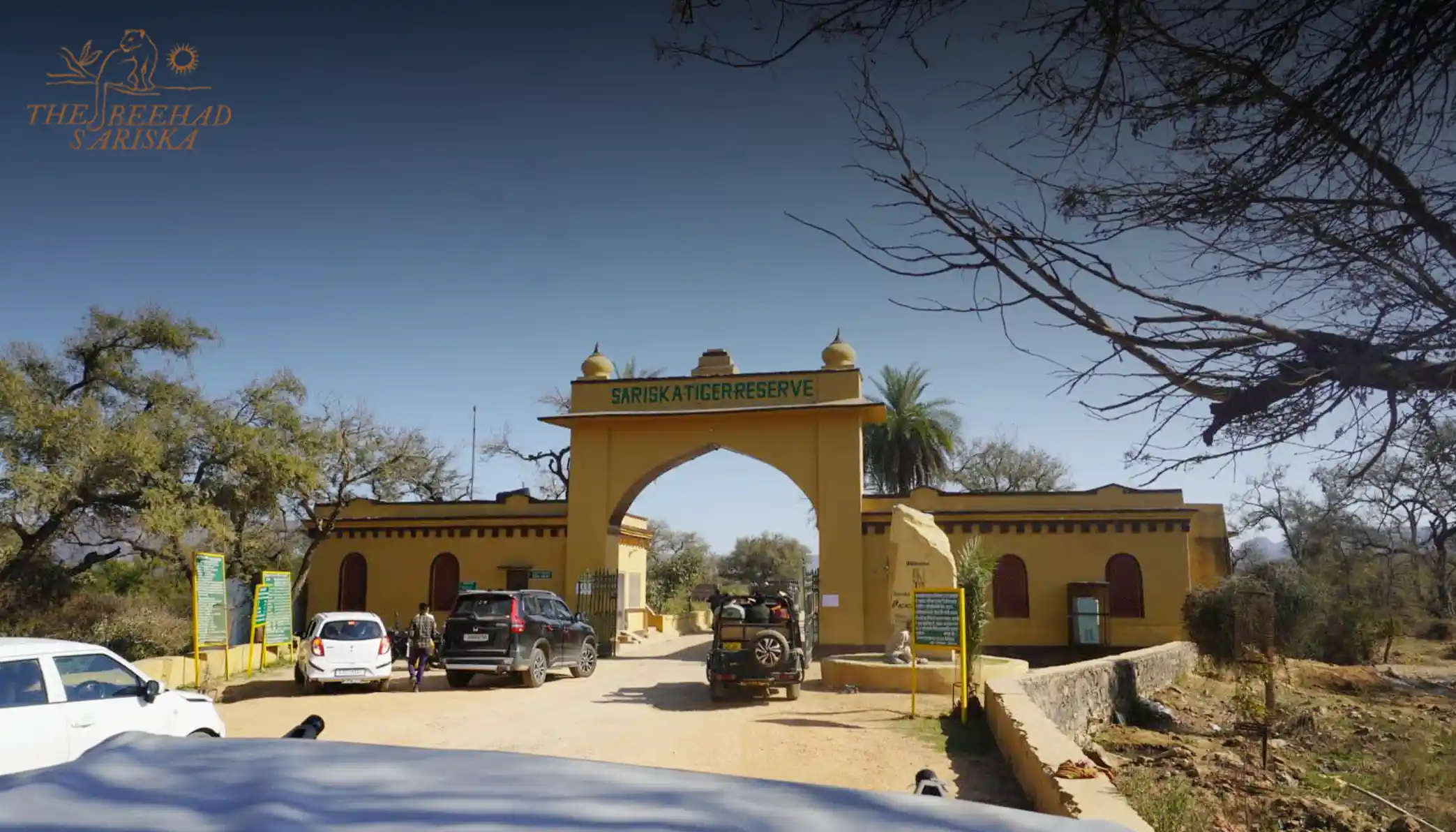
Road is the easiest way. Buses and taxis run from Jaipur, Delhi and Alwar.
By train, the nearest station is Alwar Junction. From Alwar, you can take a taxi or bus for the last 35 km. By air, the closest airport is Jaipur, about 122 km away. Delhi's airport is also an option, at roughly 200 km by road.
Take the Jaipur to Alwar route or go via Tonk and Thanagazi. Plan on about three to four hours by car.
Take the Delhi to Jaipur highway, exit toward Alwar and follow the road to the park. The drive takes about four to five hours.
From Alwar it is a short drive of about an hour. Many visitors who arrive by train stay a night in Alwar, then drive to their gate in the morning.
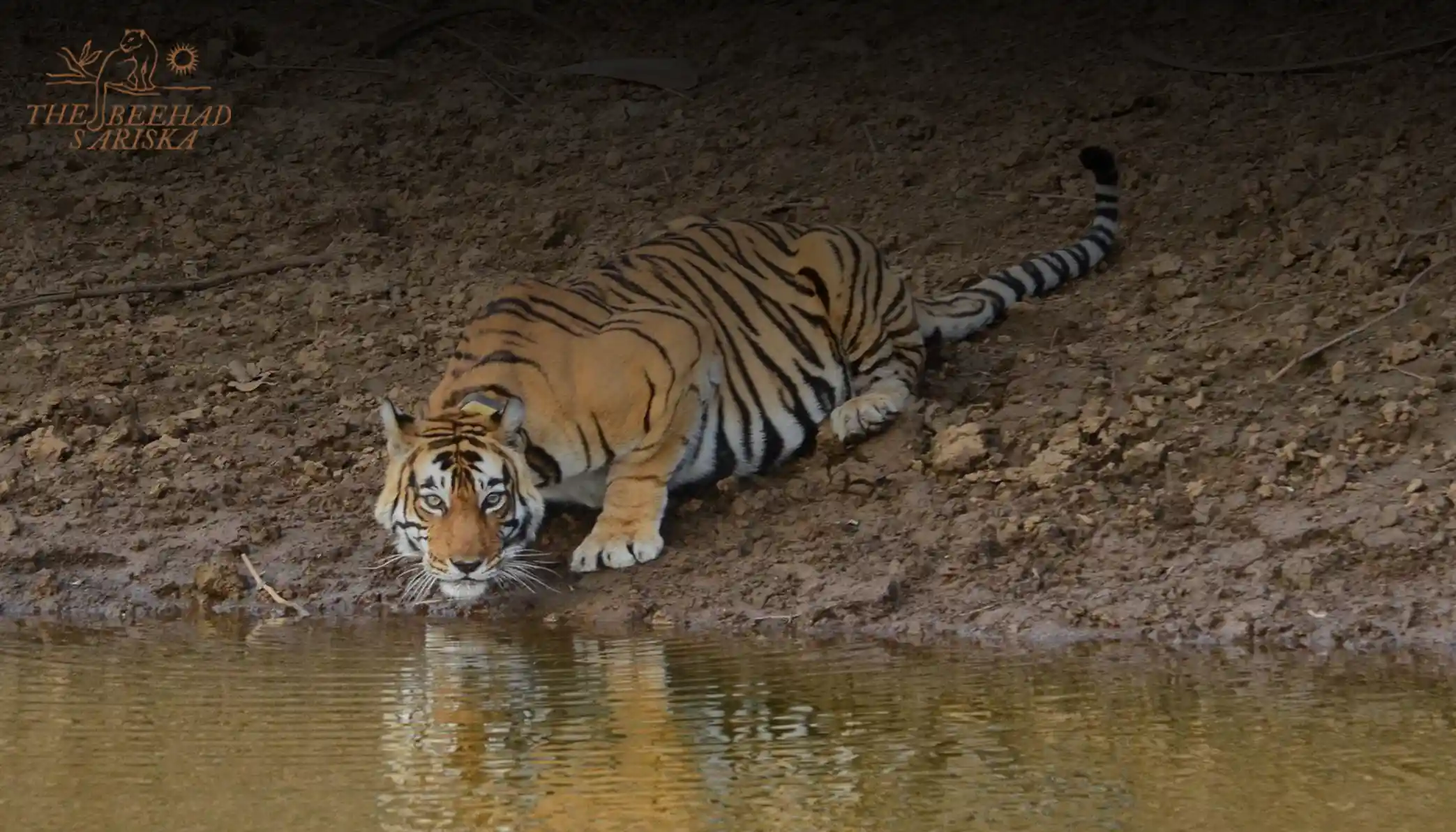
The best time for a safari is October to March. Days are cool, and the forest is easy to explore. Summer is hot but good for sightings. The monsoon is green but the core area is closed.
From April to June, daytime highs often reach 40°C or more. Water dries up in the forest. The reserve has no perennial river, and pools dry out in summer. Animals gather near the few water spots left. That can help sightings, but it is very hot. Choose morning safaris and drink plenty of water.
The core areas are closed from 1 July to 30 September. The rules say this is to help breeding and to avoid slippery, unsafe tracks. Buffer areas, such as those near Bala Quila, can stay open. The forest turns green, and birds are active
From November to February, day temperatures are about 10°C to 25°C, and nights can dip below 5°C in January. Safari mornings are cold in an open jeep. Bring warm layers.
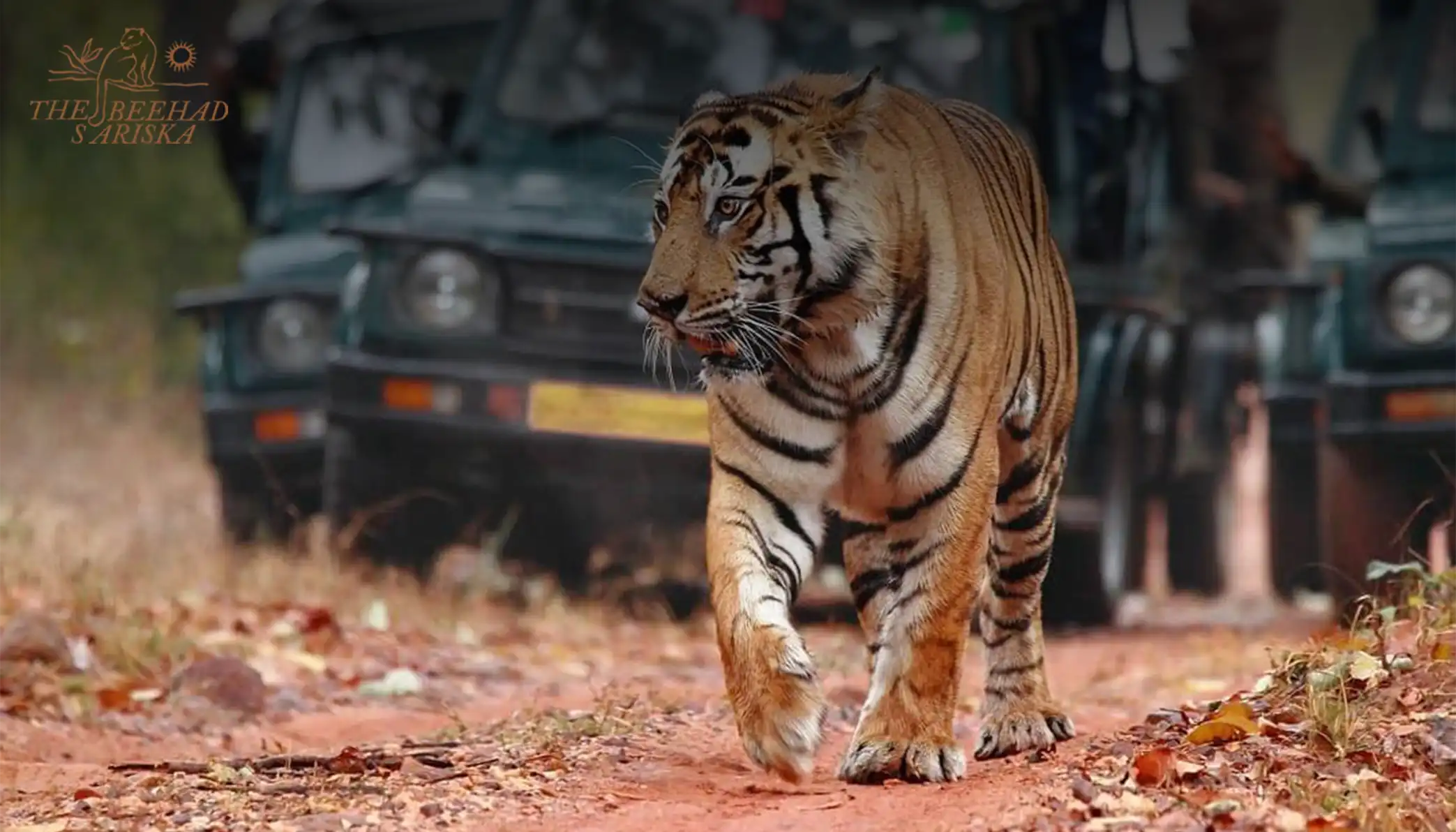
There are two vehicle types. Both run in a morning and an afternoon shift.
A jeep, usually a 4x4 Gypsy, carries up to six visitors, excluding the driver and guide. It is best for small groups and for photographers.
A canter is an open minibus that seats about 20 people. It is cheaper per person and suits larger groups.
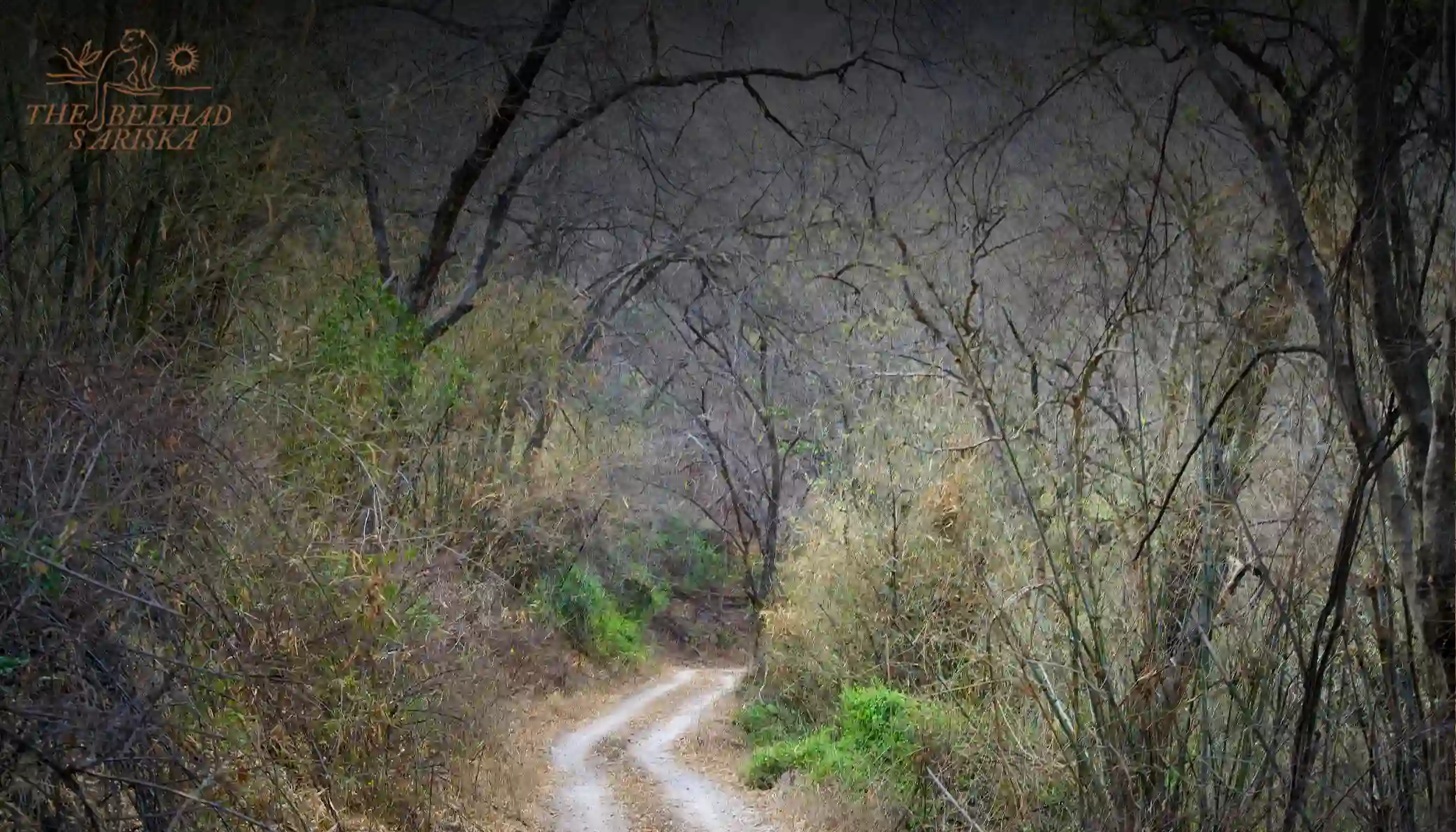
The core area has three zones for jungle drives. Routes pass water bodies such as Kala Kuan, Karna ka Bas and Tarunda. One route leads toward Pandupole Hanuman Temple. Another goes toward Kalighati and Kankwari Fort. Entry is through Sariska Gate, Tehla Gate or the buffer-zone gates.
You do not pick the exact route, guide or driver. The forest department allots vehicles through a computer system. This keeps traffic even across zones. You may not choose the zone either.
Expect about three hours on bumpy forest tracks. You will stop at waterholes and viewpoints. The guide will point out tracks and alarm calls. Do not expect a tiger every time. Deer, peafowl and langurs are common.
Morning safaris start at sunrise. In winter, they begin around 7:00 AM. In summer, they start around 6:00 AM.
Afternoon safaris begin around 2:00 PM in winter and around 3:00 to 3:30 PM in summer.
Timings shift with the season. These are the commonly listed slots with approximate timings:
| Period | Morning | Afternoon |
|---|---|---|
| Oct | 6:30 to 10:00 AM | 2:30 to 6:00 PM |
| Nov to Jan | 7:00 to 10:30 AM | 2:00 to 5:30 PM |
| Feb to Mar | 6:30 to 10:00 AM | 2:30 to 6:00 PM |
| 1 Apr to 16 May | 6:00 to 9:30 AM | 3:00 to 6:30 PM |
| 17 May to 30 Jun | 6:00 to 9:30 AM | 3:30 to 7:00 PM |
Many listings say jeep and canter safaris are closed every Wednesday. Check this before you plan your dates.
A safari usually lasts about three and a half hours. Arrive at the gate 30 to 45 minutes early for check-in.
The Rajasthan government runs an official booking portal for Sariska. Use it first. Private agents also sell safaris, but they add service charges.
Booking is first come, first served, and full payment is needed up front. Confirmed seats are usually non-refundable and non-transferable. You choose the date, shift, and vehicle type. The zone and vehicle are assigned later.
Carry the original photo ID you used at booking, such as Aadhaar or a passport. The gate staff matches it against your permit. Foreign visitors should carry their passport.
Fees are set by the Forest Department. They differ by vehicle type and for Indian and foreign visitors. Prices on third-party sites vary widely, so check the portal for the exact amount.
Check the price:https://obms-tourist.rajasthan.gov.in/place-details/Sariska-Tiger-Reserve
It may be possible if seats remain, but it is not something to count on. Book early for winter weekends and holidays. A limited number of vehicles enter in each shift.
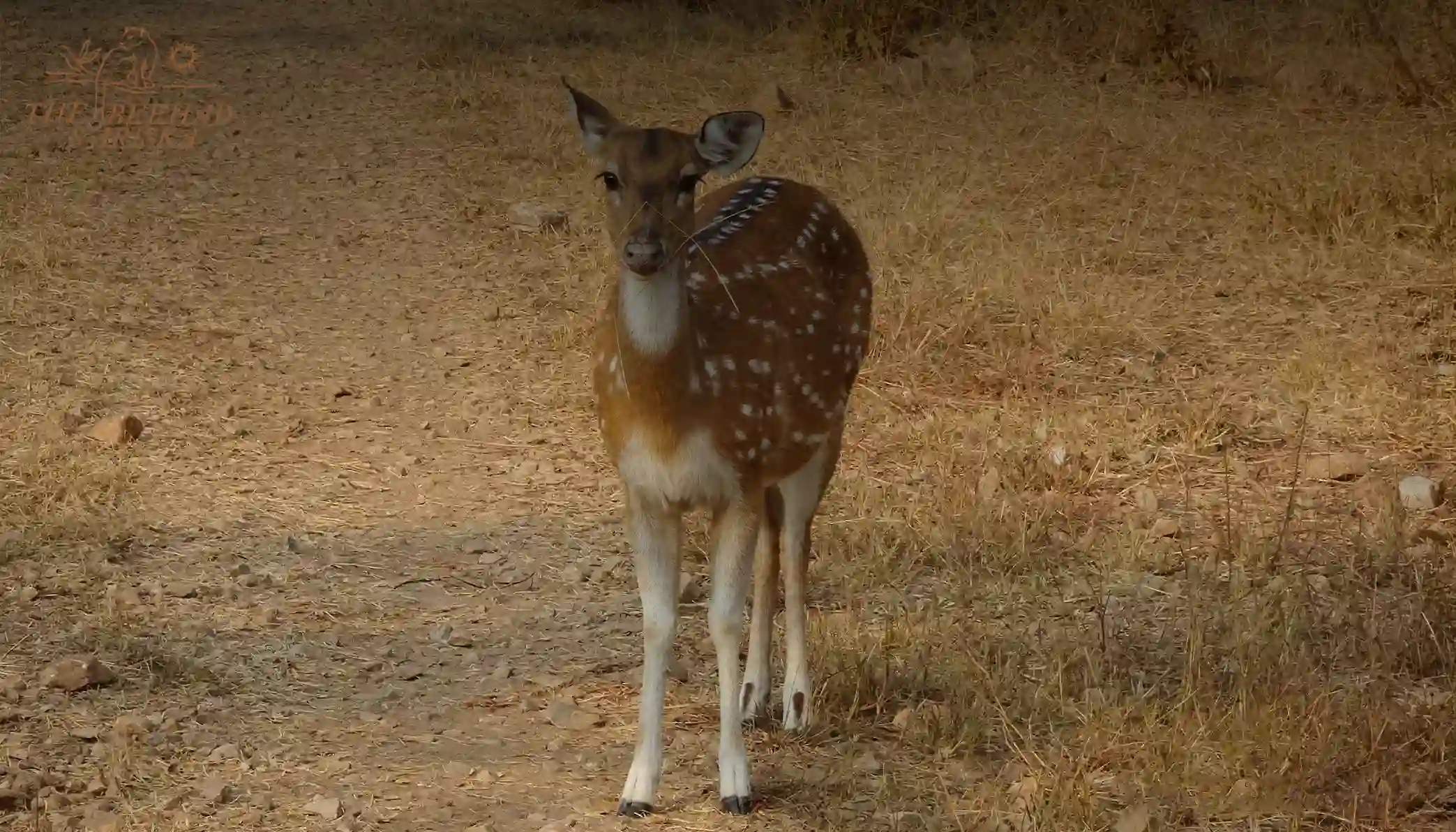
Tigers are the main draw. They are shy and hold large territories. Tiger numbers have grown since 2008, but sightings still take luck.
Leopards and striped hyenas are the other large predators. Leopards are mostly active at night and are hard to see.
Some travel sites list sloth bears in Sariska. The National Tiger Conservation Authority's official brief note does not list them. Do not plan around seeing one.
Nilgai and sambar are very common. Spotted deer, four-horned antelope and wild pig are also found. Common langur and rhesus macaque are the main monkeys, often near temples. Smaller animals include caracal, jungle cat, mongoose, civet and porcupine.
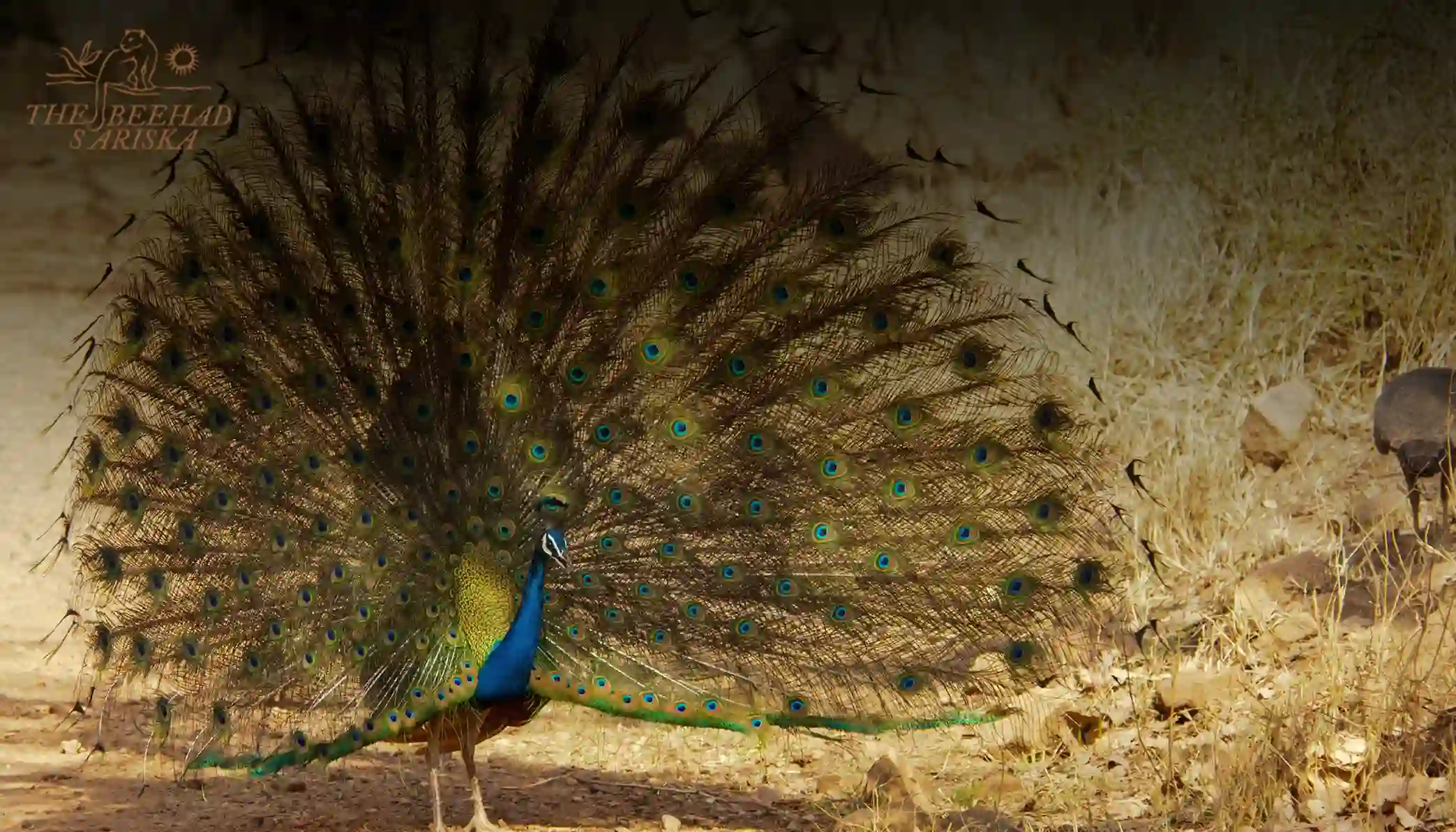
Peafowl and grey francolin are found in high numbers. Reptiles include pythons and monitor lizards.
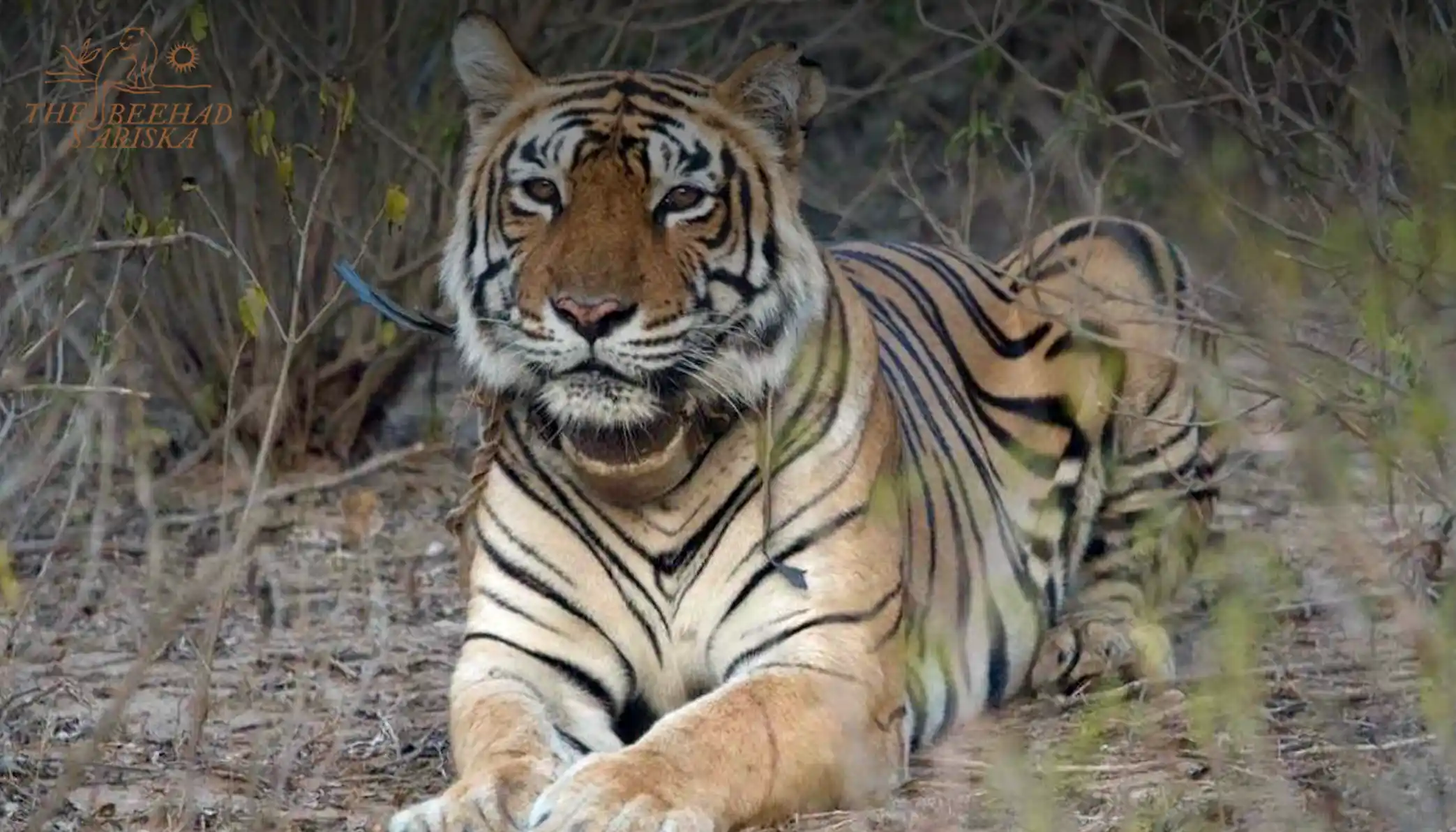
Yes. The reserve has a breeding tiger population, and sightings do happen. They are not guaranteed.
Tigers hold large territories and hide well in thick forest. They also avoid vehicles. Even in reserves with more tigers, a sighting is a matter of chance.
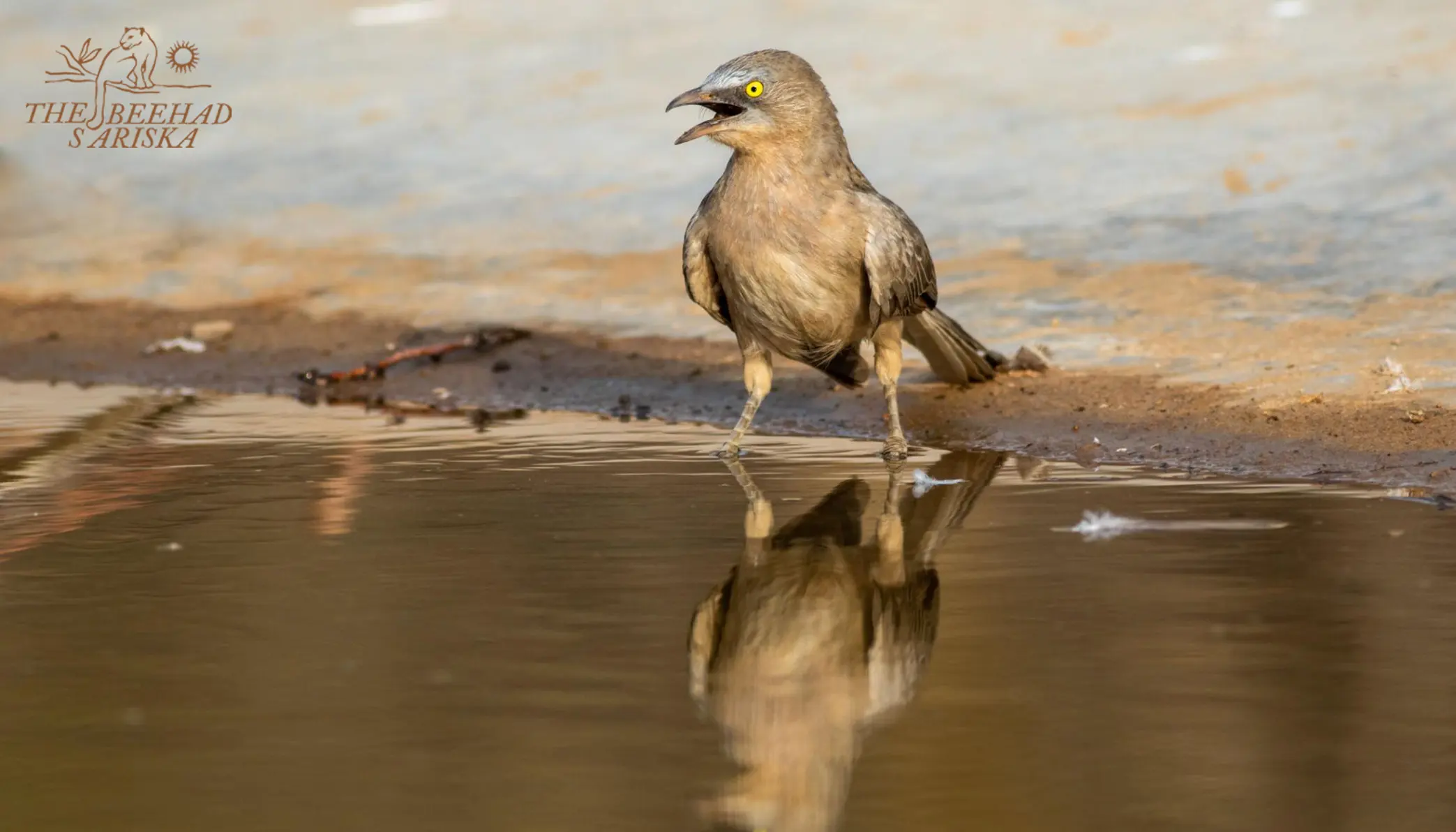
211 bird species have been recorded, of which 120 are resident, 18 vagrants and 73 are migrants. Notable birds include the white-rumped vulture, painted spurfowl, Indian pitta, and great horned owl.
Water bodies and the edges of grassland are the best spots. Birds gather near waterholes, especially in the dry months.
Winter is best because migrants arrive. Early morning gives the most activity.
Sharp ridges, rocky slopes, and narrow valleys shape the land. The hills hold heat in summer and give the reserve its rugged look.
Dhok, a tree called Anogeissus pendula, covers over 40 percent of the forest. Trees shed leaves in the dry season, so animals are easier to spot then.
Seasonal streams and pools feed the forest. Grassy patches support deer, which in turn support the predators.
Other trees include Boswellia at rocky patches, and acacia and bamboo in valleys. After rain, the reserve turns green fast.
Kankwari Fort stands inside the reserve. One of the best place to see in Sariska. Local accounts say Dara Shikoh was held here by his brother Aurangzeb. Treat this as tradition, not a proven detail. It is usually reached on a safari route.
Legend links this spot to the Pandavas' separation. It is located deep in the forest and is a busy pilgrim site. The reserve has allowed visitors on Tuesdays and Saturdays, including in the monsoon. Expect crowds and traffic on those days.
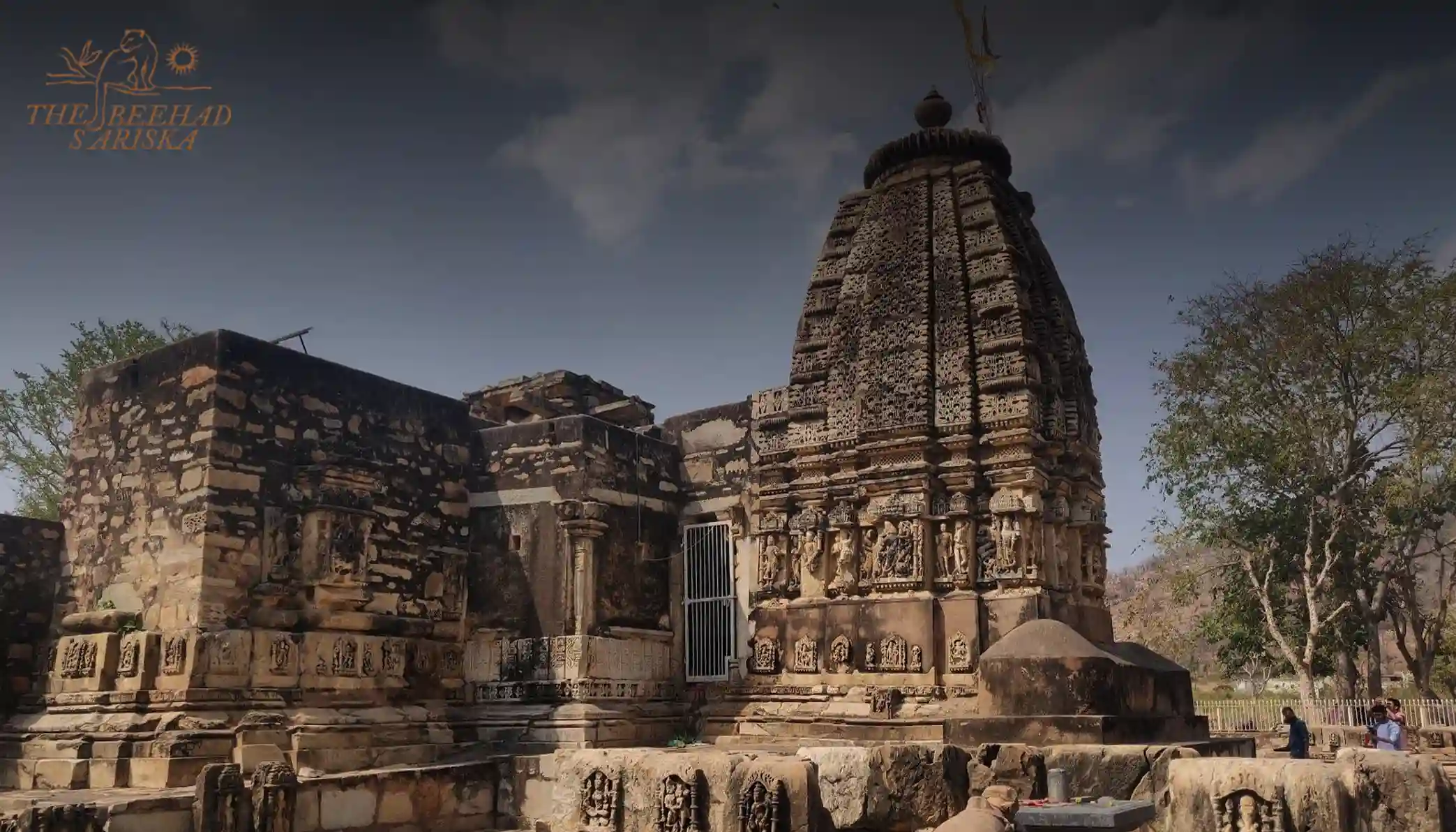
The Neelkanth Mahadev temple is at Rajorgarh. Inscriptions date it to 961 CE. The site has scattered ruins of many old temples. The path is rough, so hire a driver who knows it.
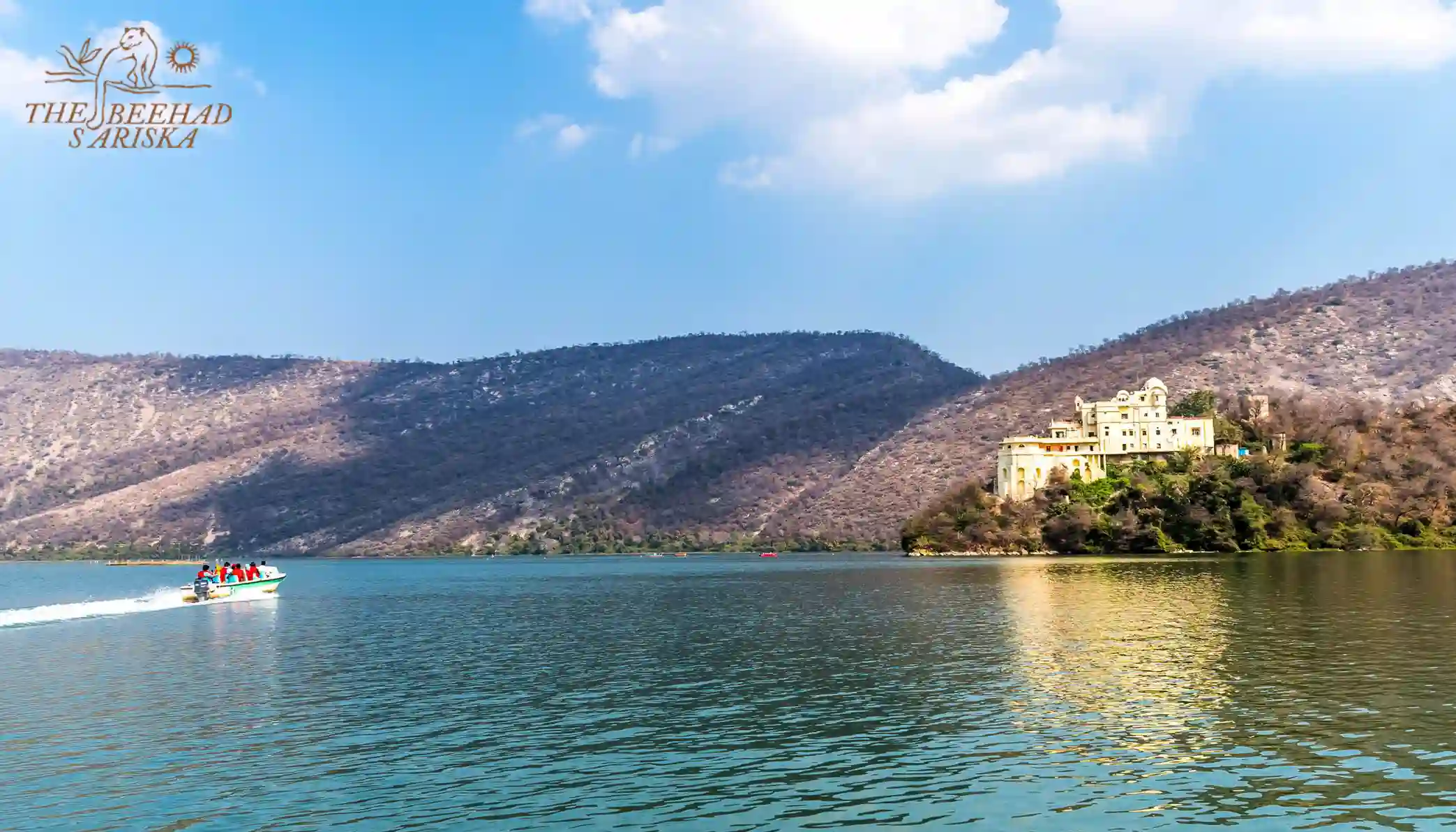
Siliserh Lake was built in 1845. It is a quiet spot near Alwar for a sunset stop or a short break.
Alwar has forts and old palaces. It is also the closest big town with shops, food and a railway station.
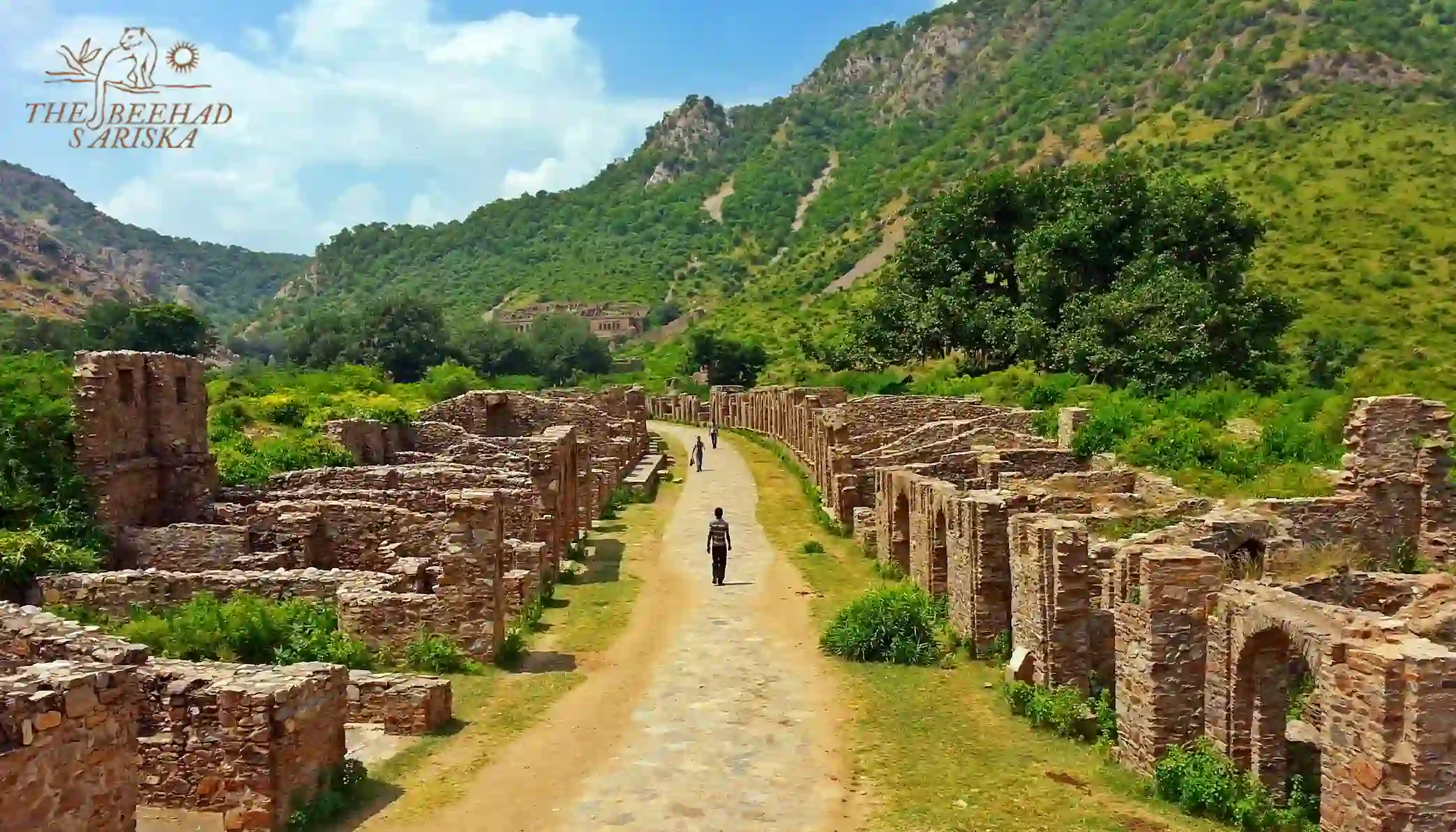
Bhangarh Fort is a ruined town best known for ghost stories. An ASI signboard bans entry before sunrise and after sunset. Plan it as a daytime stop and leave before dusk.
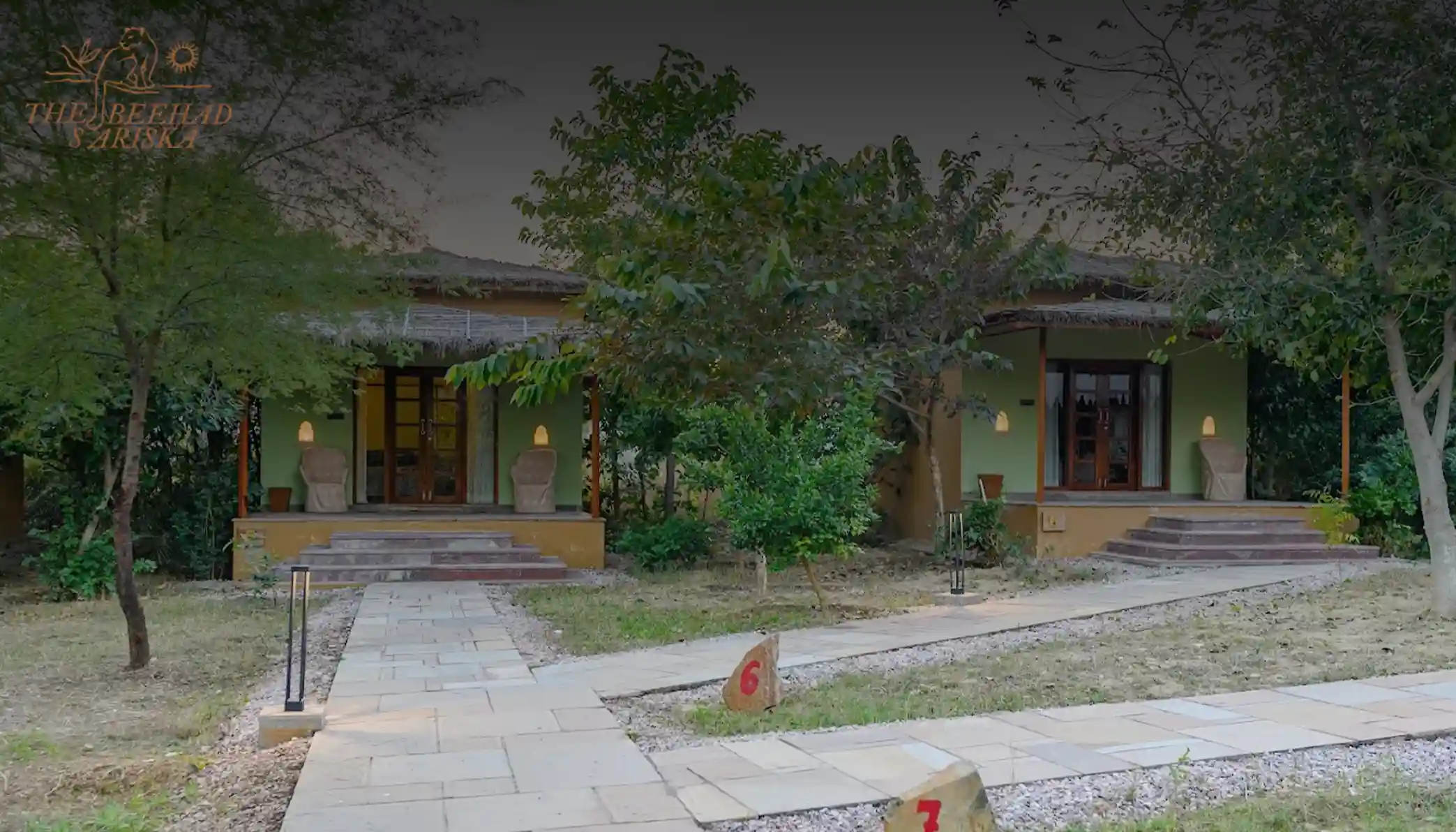
A Stay in Sariska is the easiest choice for most visitors. Good ones sit close to a safari gate, serve early breakfast, and help with booking. Many resorts arrange pick-ups, guides, and packed meals for morning drives. A Sariska Tiger Reserve Stay near the Tehla or Sariska gate saves time on early starts.
For more comfort, a luxury resort in Sariska usually adds larger rooms, better food, a pool and spa, and more personal service. It suits families, couples, and anyone who wants to relax between safaris. Check what is actually included before you pay more.
Alwar city has hotels at lower prices, with more food choices. The drawback is distance. You will spend an extra 45 to 60 minutes each way to reach a gate.
Pick your stay by gate.
Ask your stay how far it is from the gate on your permit.
Two nights are a good base. It gives you two safari shifts and time to relax. Three nights give more chances for sightings and time for nearby sites.
A day trip is possible from Jaipur, and tiring from Delhi. Leave very early, do the morning safari, have lunch, and head back. Skip other stops.
Avoid Wednesdays for safari plans, and expect crowds at Pandupole on Tuesdays and Saturdays.
The drive is about 110 to 130 km and takes roughly three hours.
Take the Jaipur to Alwar road, or go via Tonk and Thanagazi. Ask your driver which way is faster on your day.
Start by 5:00 AM to make the morning shift. Book a jeep or canter in advance, and plan to be back in Jaipur by evening.
Leave Jaipur on Saturday morning, take an afternoon safari, stay overnight, do a morning safari on Sunday, then visit Bhangarh on the way back. Bhangarh lies between the two, but leave before sunset.
It is about 200 km, with a drive of roughly four to five hours.
Take the Delhi to Jaipur highway toward Alwar and follow the signs to the park. Neemrana has good breakfast stops on the way.
Leave early to avoid Delhi traffic. Reaching before noon gives you time to check in and rest before an afternoon safari.
Leave Delhi Friday evening or Saturday early. Enjoy the Sariska resort experience , like birdwatching, high-tea at lake, nature walk, and stargazing on Saturday, then take a Sunday morning safari, then head back after breakfast.
Turn off flash. Keep a safe distance. Never call to or chase an animal for a photo.
Speak softly. Noise scares animals and lowers everyone's chances of a sighting.
Stay on the marked tracks. Avoid carrying plastic. Take rubbish back with you.
Your guide knows the rules for that route. Follow them, even if it means missing a photo.
Reach the gate 30 to 45 minutes before your slot. Check-in and ID checks take time.
You may see deer, peafowl and monkeys and not a tiger. That is normal. Enjoy the forest, the birds and the landscape.
Book both a morning and an afternoon safari if you can. Keep a buffer for delays and check the closed day before booking.
Ans. Sariska Tiger Reserve is famous for bringing tigers back after they disappeared, along with its Aravalli hills, forts and temples.
Ans. The core safari area is closed from 1 July to 30 September. Buffer areas may stay open, and pilgrims can visit Pandupole on certain days.
Ans. October to March is best for comfort. Summer offers good sightings near water but is very hot.
Ans. Fees vary by vehicle and for Indian and foreign visitors. Check the official booking portal for the exact price.
Ans. The core has three zones, and there are also buffer-zone routes near Bara Liwari and Bala Quila.
Ans. Yes, but safari rules and age limits may apply. Keep them calm and seated, and check with the booking source.
Ans. No. Sightings are never guaranteed.
Ans.Yes. You can see nearby sites such as Kankwari Fort, Neelkanth Temple and Siliserh Lake, though the best wildlife viewing is on safari.
Ans. About 110 to 130 km, or around three hours by road.
Ans.Sariska from Delhi is about 200 km, or four to five hours by road.
Ans. A resort in Sariska near your safari gate is the easiest choice. A Normal Stay saves time on early starts, while a luxury resort in Sariska adds comfort between drives.