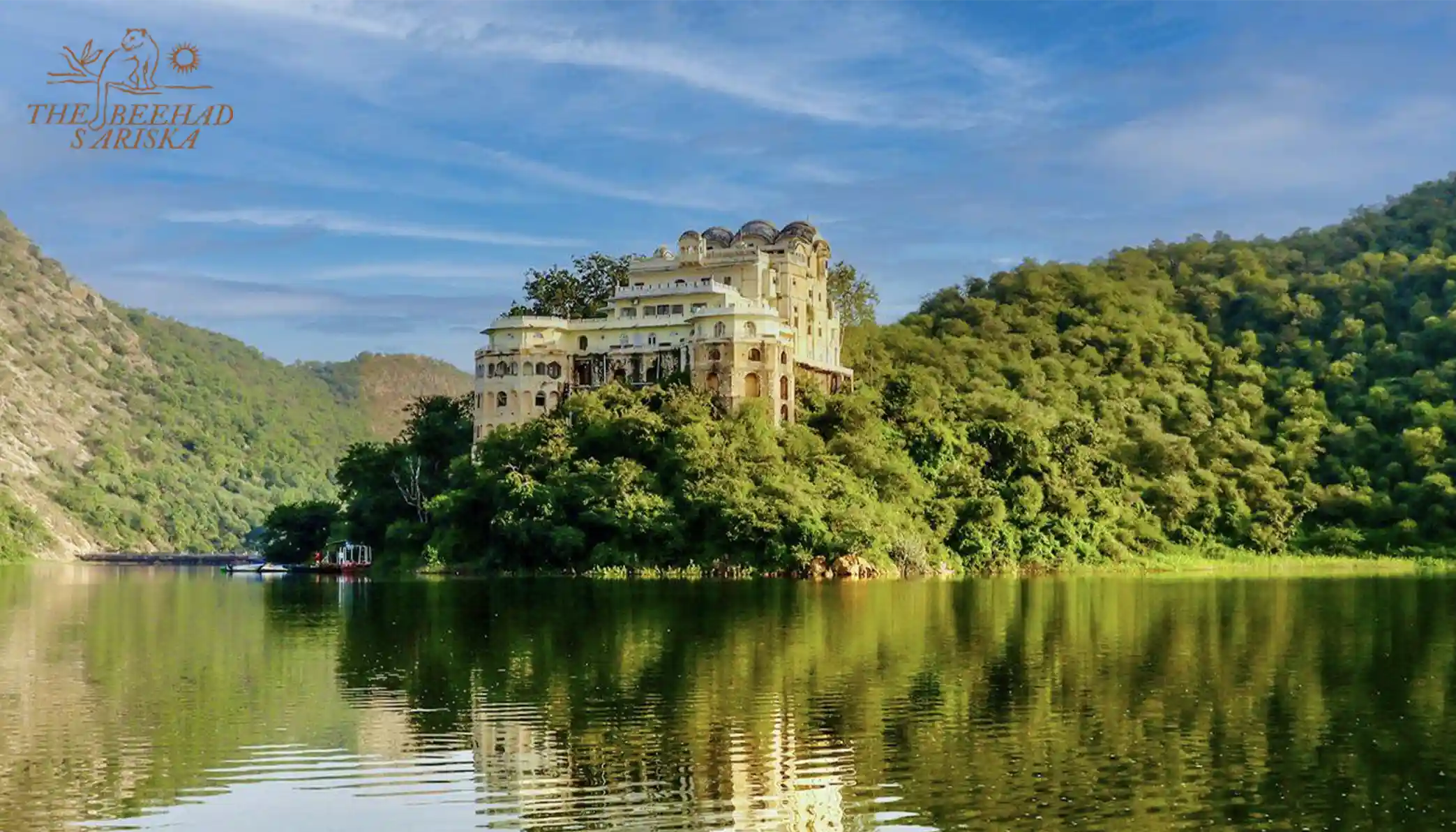
What can you see around Alwar besides the tiger safari? Quite a lot, as it turns out. Alwar mixes old Rajput forts, a palace still standing on a hilltop, a lake with its own royal history, and a few remarkable spots tucked inside Sariska Tiger Reserve itself. If you're staying at a resort in Sariskafor a safari trip, giving yourself even one extra day opens up a side of the region most visitors rush past.
This guide breaks down the best places to visit in Alwar and around it, split clearly by what you can just drive to and what needs a bit more planning.
Before diving into the list, it helps to know there are really two different categories here.
Some sites sit in Alwar town itself, or just outside it. You can drive there in a private car, park, walk around, and leave whenever you like. Bala Quila, the City Palace, Siliserh Lake, and Moosi Maharani Ki Chhatri all fall into this group. A good Sariska resort can point you toward these without much planning on your part.
Other sites are located deep inside Sariska Tiger Reserve. These need a proper safari booking through the forest department, since there's no independent road access. Kankwari Fort is the clearest example. Knowing this split before you plan saves a lot of confusion later.
| Place | Type | Approx. time needed | Reserve access? | Best for |
|---|---|---|---|---|
| Bala Quila | Fort | 1–2 hrs | No | Views/history |
| City Palace | Palace/museum | 1–2 hrs | No | Architecture |
| Moosi Maharani Ki Chhatri | Cenotaph | 30–45 min | No | Architecture |
| Siliserh Lake | Lake/palace | 1–2 hrs | No | Scenic break |
| Kankwari Fort | Fort | Safari-dependent | Yes | History/wildlife |
| Neelkanth Temple | Temple | Route-dependent | Reserve access | Architecture/spirituality |
| Pandupole | Temple | Route-dependent | Reserve access | Pilgrimage/nature |
| Bhangarh Fort | Fort | 2–3+ hrs | No | History/folklore |
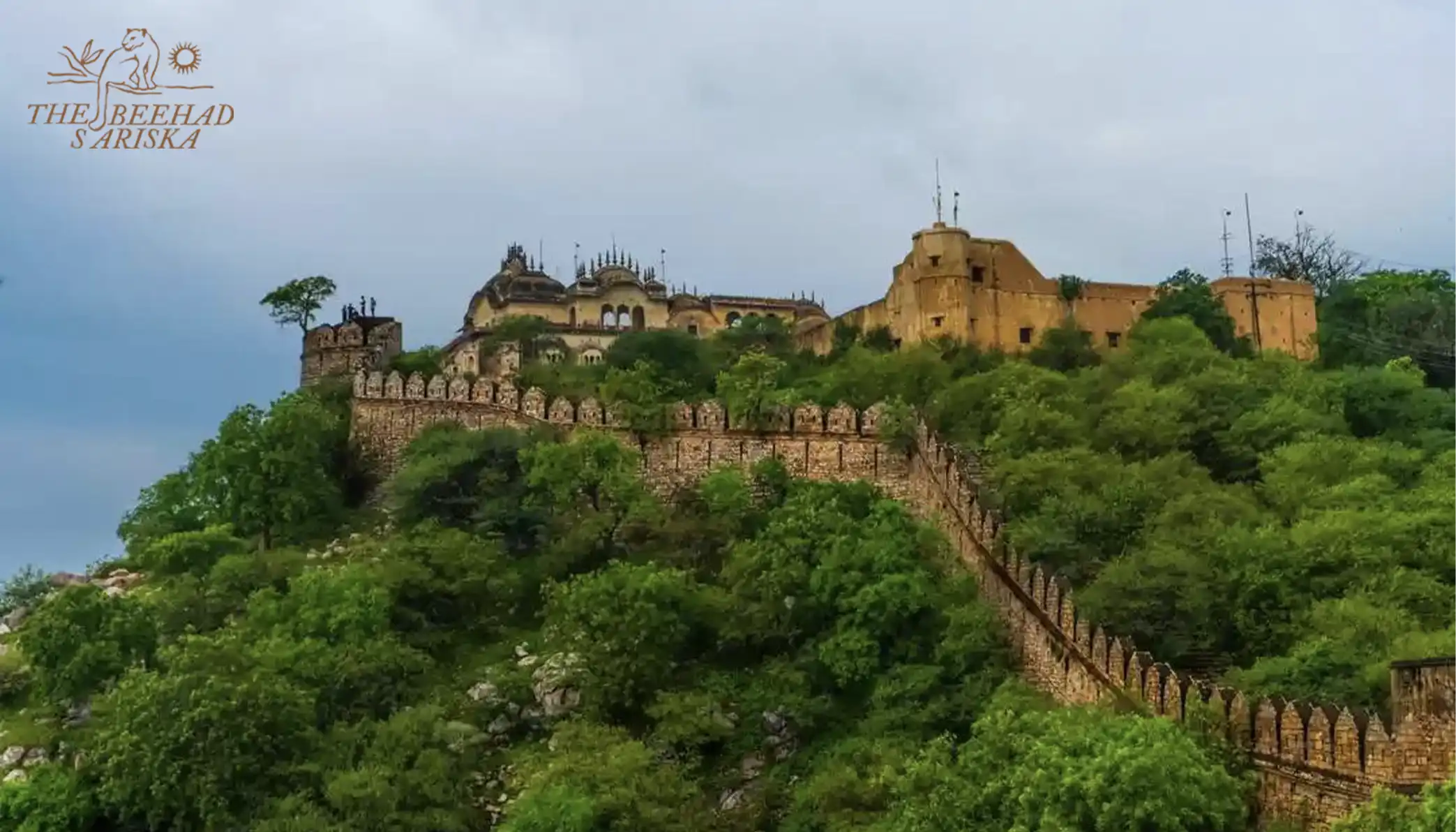
Bala Quila is located on a hill above Alwar town, roughly 300 metres up. It has been there long before the city grew around it. The climb rewards you with sweeping views over Alwar and the surrounding hills. Inside, you'll find several smaller palaces, gateways, and temples, each carrying its own piece of Rajput history. The red sandstone walls and detailed carvings make it one of the most photographed spots in the area, and it's easy to spend a couple of hours wandering between the different structures without feeling rushed.
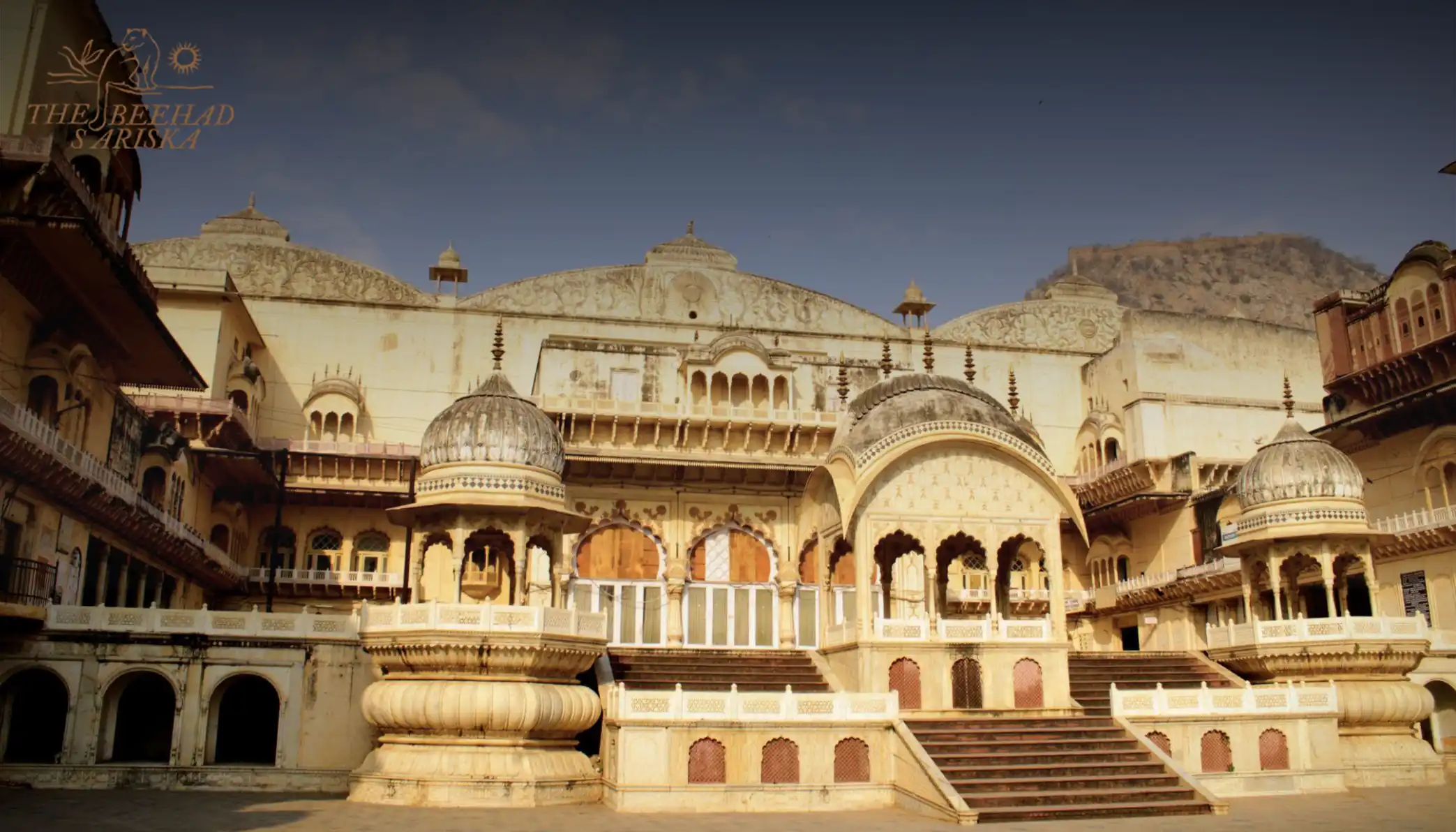
Right in the heart of town, the Alwar City Palace blends Mughal and Rajput architectural styles, and it now houses The Palace Museum. Inside, you'll find old weapons, manuscripts, paintings, and royal objects that give a real sense of how the Alwar royal family once lived. It's an easy, unhurried visit and works well early in the day before the heat sets in.
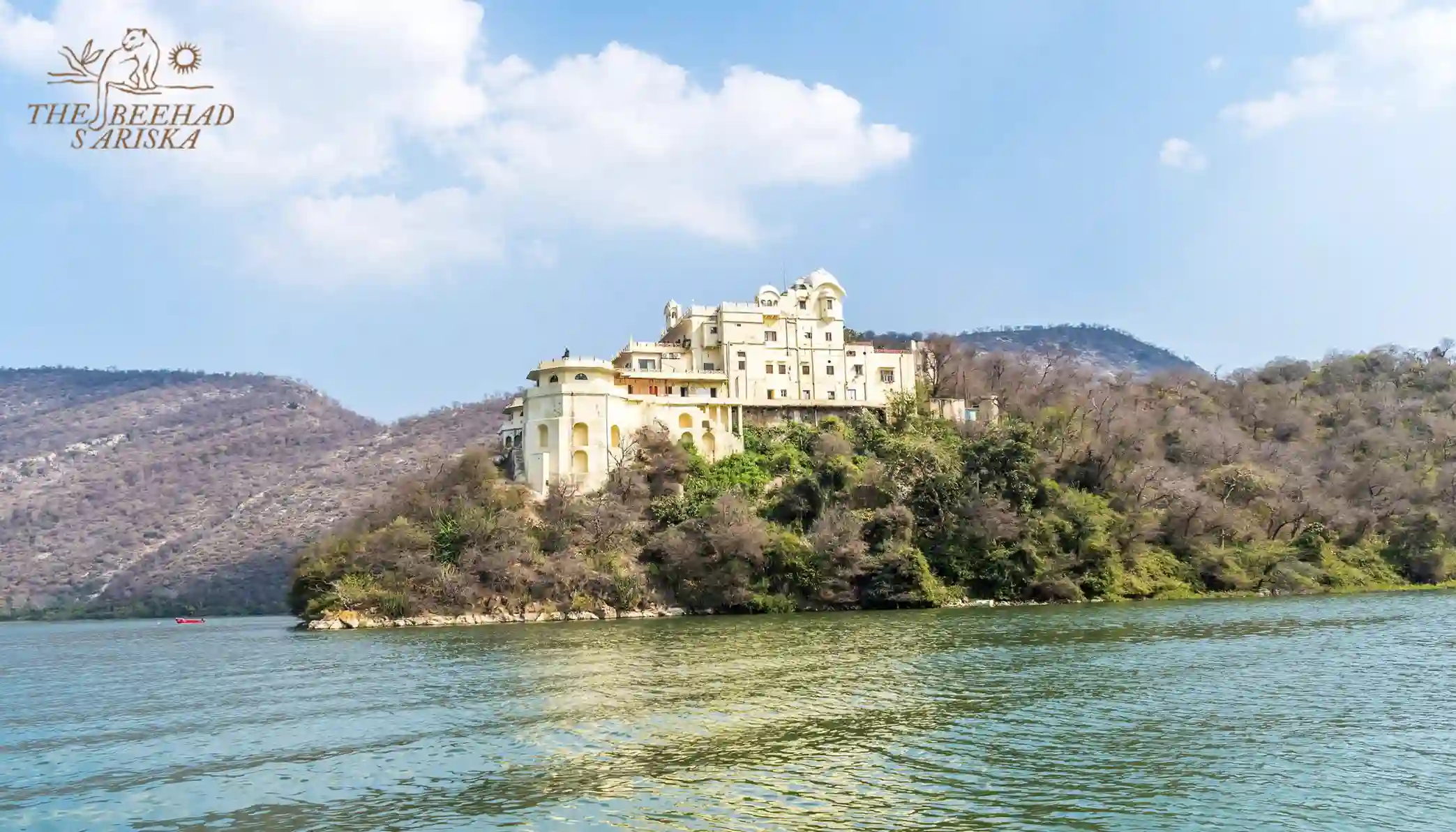
Siliserh Lake sits a short drive from Alwar, with a small palace right on its edge. Originally built as a royal hunting lodge, the palace now operates as a heritage hotel, and the lake is popular for boating and relaxed lakeside walks. It's a good stop if you want a slower, more scenic hour away from forts and history for a bit.
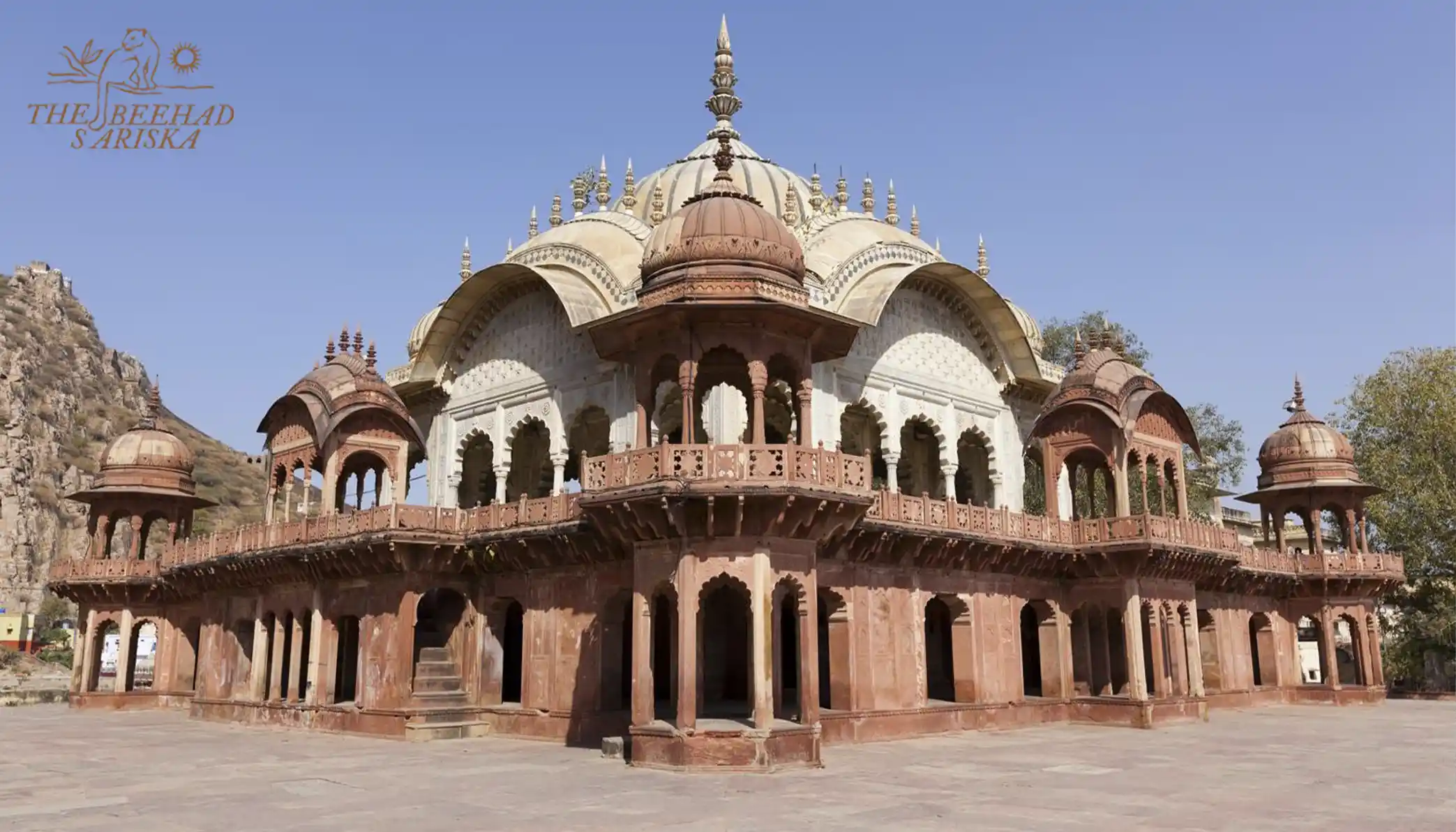
A short distance from the City Palace, this cenotaph was built in memory of Maharaja Bakhtawar Singh and Moosi, his companion who performed sati on his funeral pyre. The domed structure and detailed carvings make it worth a quick stop, especially if you're already exploring the palace area. It doesn't need much time, but it's easy to miss if nobody points it out.
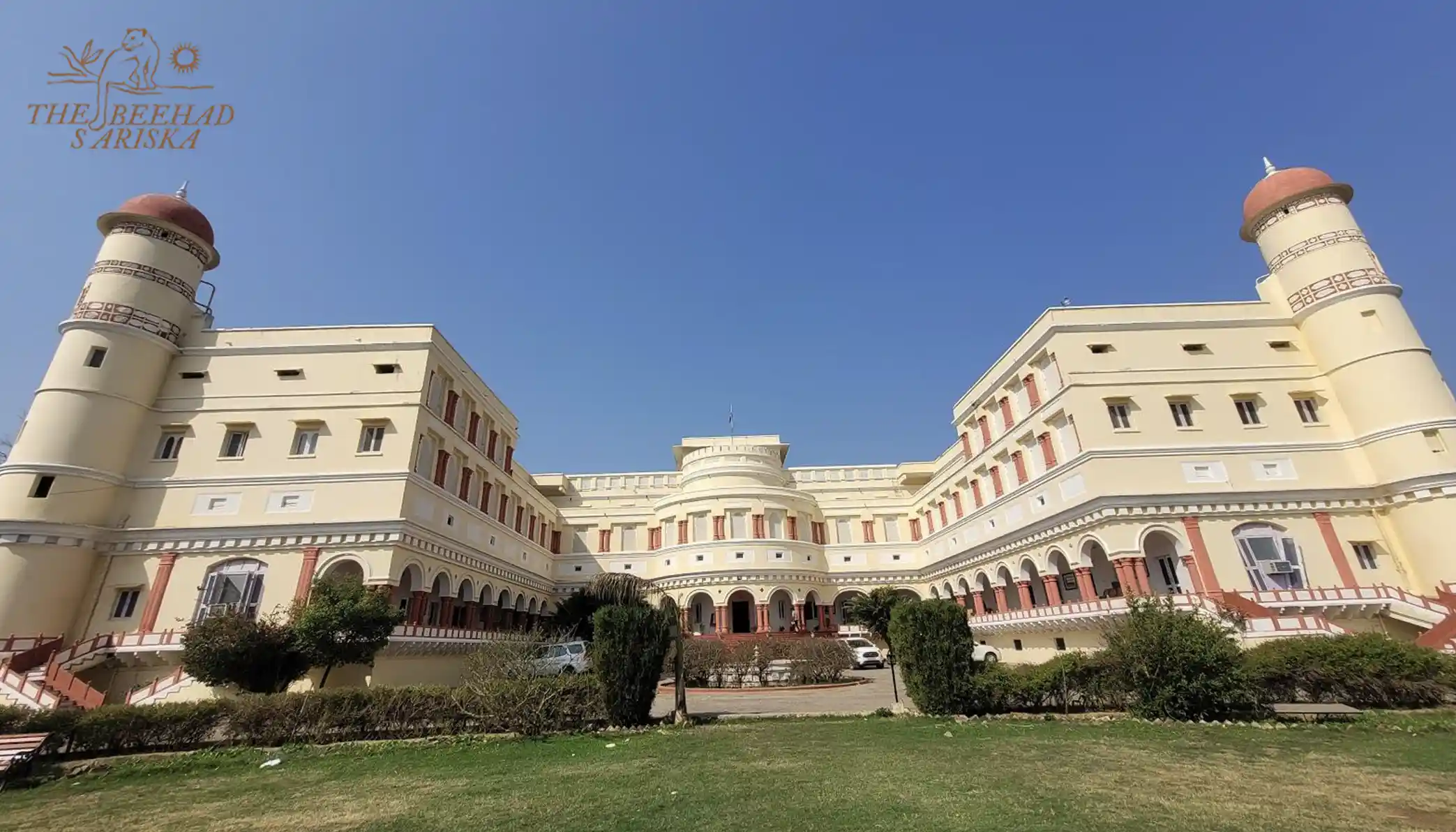
Here's one that surprises most first-time visitors. Sariska Palace, built in 1892 by Maharaja Sawai Jai Singh of Alwar, was designed by a French architect, giving it a genuinely unusual blend of French and Rajasthani architectural styles.
It was originally built as a royal hunting lodge, reportedly to welcome the Duke of Connaught, son of Queen Victoria, and its beige walls and corner towers still stand out against the green forest around it. Today it operates as a heritage hotel, sitting right at the edge of the tiger reserve. Even if you're not staying there, it's worth knowing this piece of colonial-era history exists right alongside the wildlife.
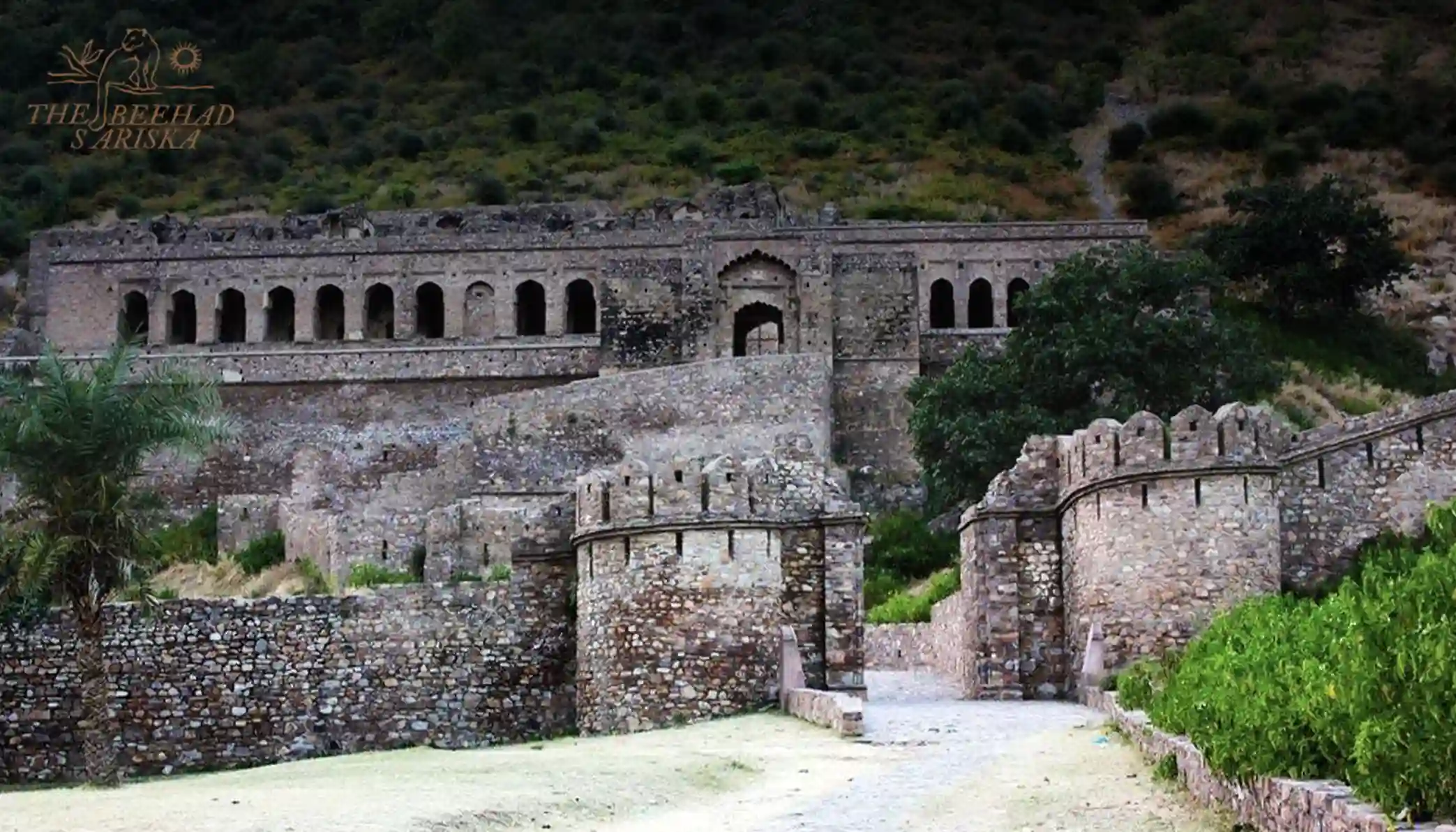
No list of places near Alwar feels complete without Bhangarh Fort, roughly 28 kilometres from Sariska. Built in the 17th century, it's widely known across India for its reputation as a haunted site, and the Archaeological Survey of India does restrict entry after sunset and before sunrise, a documented, verifiable rule rather than folklore.
Beyond that restriction, a lot of what circulates about Bhangarh is village storytelling passed down over generations, not confirmed history. Worth visiting for the atmosphere and the genuinely well-preserved ruins of an old fortified town, complete with old market streets, temples, and gateways that give a real sense of what a working Rajput town once looked like. Just go in treating the ghost stories as local colour rather than fact.
These three sites all sit inside Sariska Tiger Reserve, and reaching them means going in through an official safari route, not by private car.
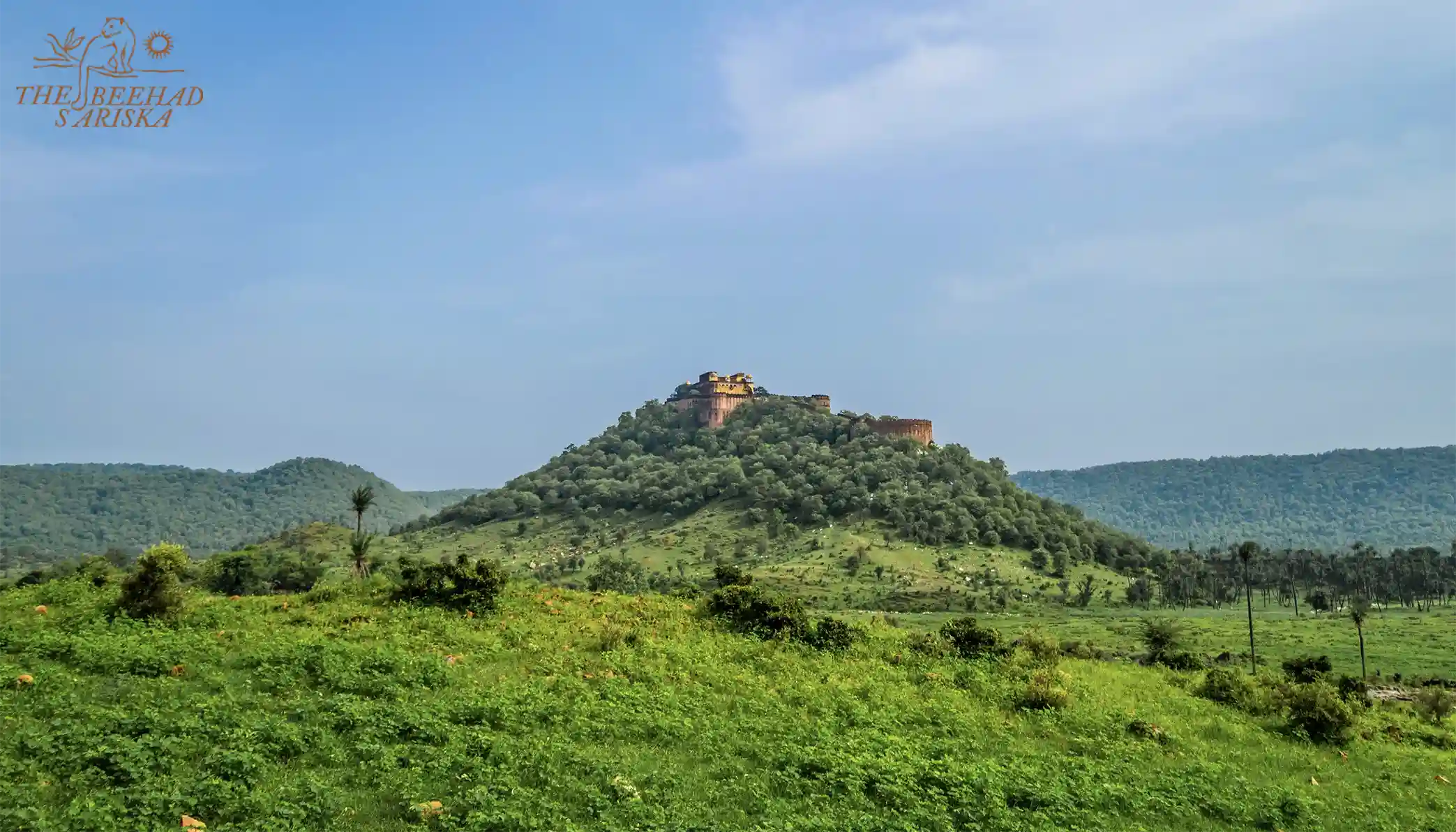
Kankwari Fort is the most well-known of the three. Built in the 17th century, it's remembered as the place where Mughal prince Dara Shikoh was held for a time during his war of succession against his brother Aurangzeb. Its remote hilltop position, deep inside the forest, made it a practical place to hold a prisoner far from any rescue attempt.
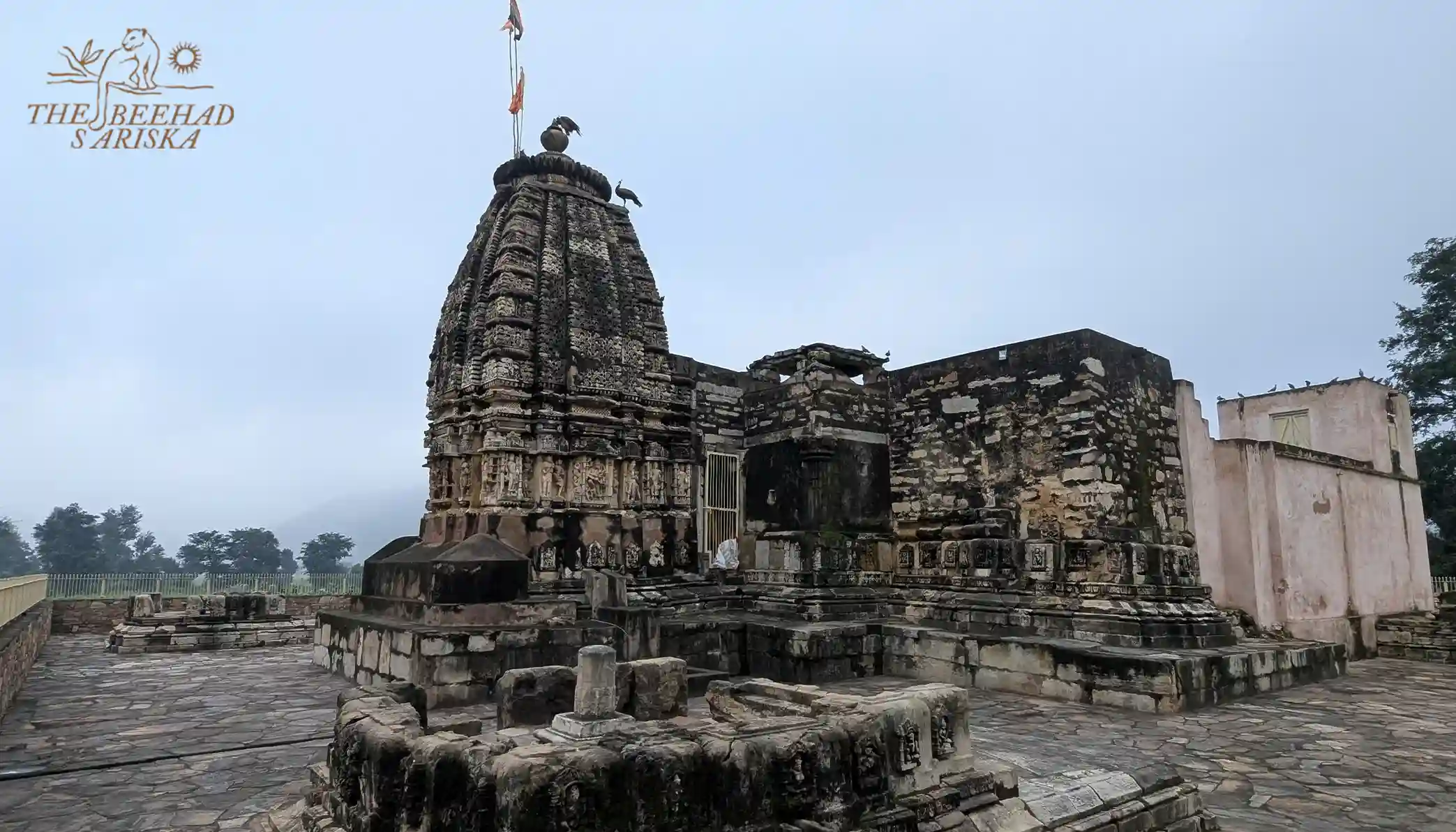
Neelkanth Mahadev Temple, dating back to somewhere between the 6th and 9th centuries, is one of the oldest structures in this landscape. Its carved stone walls and Shiva lingam draw both pilgrims and history lovers, and the temple's age alone makes it a genuinely rare survivor in this terrain. The Archaeological Survey of India restricts entry after sunset and before sunrise — a rule the ASI has publicly confirmed, not a local myth.
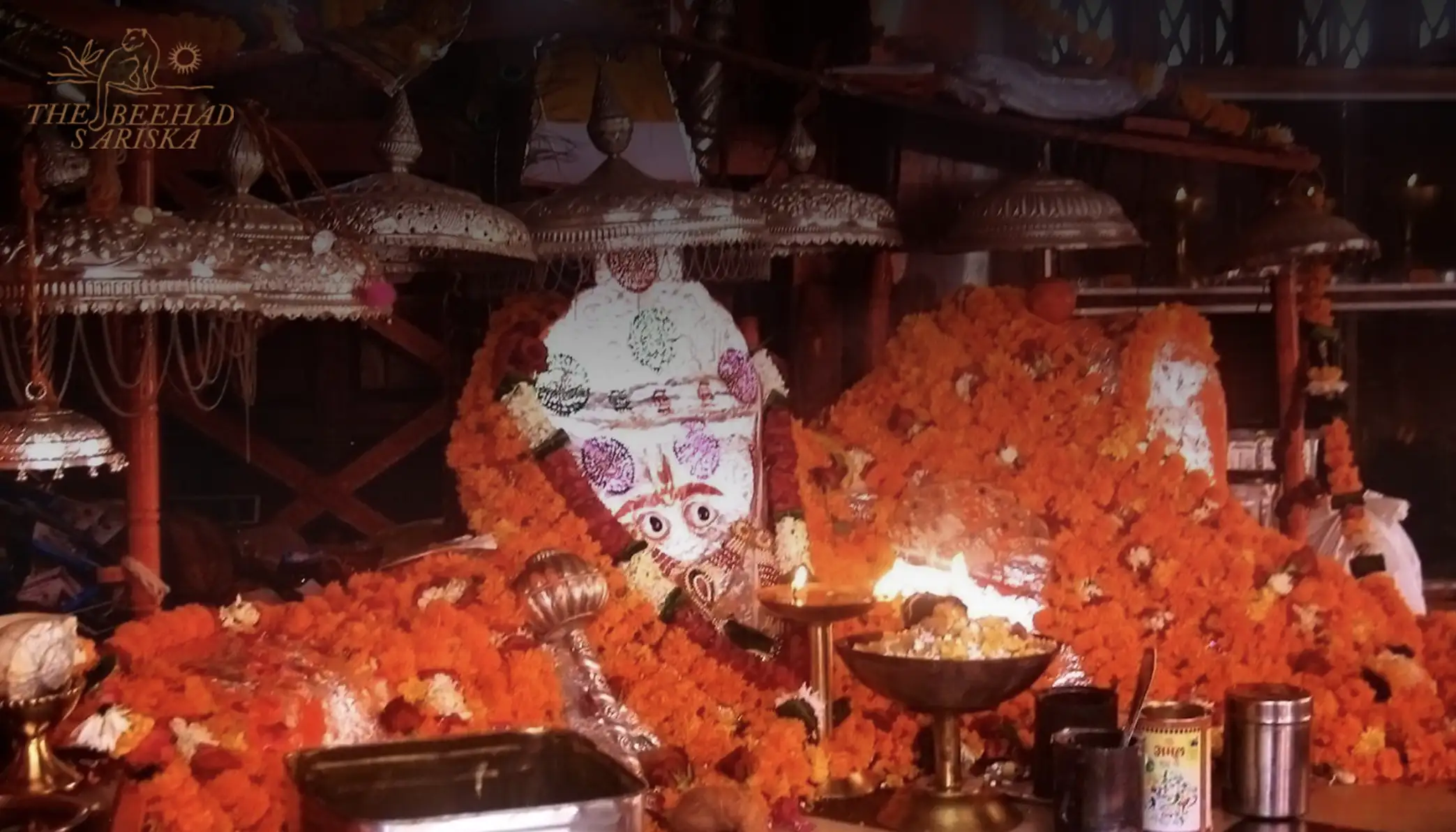
Pandupole Hanuman Temple carries a well-loved local legend. The story goes that Bheem, one of the five Pandava brothers, came across a frail old monkey lying across a forest path and arrogantly asked it to move its tail aside. When the monkey said it was too weak, and Bheem himself couldn't budge it, he realised he was face to face with Hanuman himself. A small temple was set up here to mark the moment, which later grew into the temple that stands today. It's local tradition rather than documented history, but it's a genuinely charming story that adds real character to a safari route.
A fair question, and one that's surprisingly hard to find a straight answer to elsewhere.
Two days covers the essentials comfortably: one day for a safari plus Kankwari Fort or Neelkanth Mahadev if your route includes it, and one day for Alwar town, Bala Quila, City Palace, and Siliserh Lake.
Three days gives you room to add Bhangarh Fort and Pandupole Hanuman Temple without rushing, plus some breathing space between drives rather than cramming everything back to back.
If you're short on time, prioritise one safari and the Alwar town sites first. Bhangarh and the deeper reserve sites are worth it, but they're the first things to drop if your schedule tightens.
This is worth planning before you arrive, not figuring out on the day.
A good Sariska resort can genuinely simplify this part. Many properties near the reserve help coordinate safari bookings alongside your stay, which takes the guesswork out of figuring out routes and permits on your own.
Given how much of this trip involves early safari starts and drives between sites, where you stay affects the whole experience. A few things worth checking:
The Beehad - A resort near Sariska in the Tehla area, is worth considering for this kind of trip. Set in the Aravalli hills close to the reserve, it offers tented camps and cottages along with help arranging safaris and local excursions, useful when you're trying to cover both the town sites and the reserve without losing a day to logistics.
Sariska Palace - the heritage hotel right at the reserve's edge, worth it if you want to stay somewhere with its own French-Rajasthani history (see above)
Sariska Tiger Camp - a more budget-friendly option, closer to the Tehla gate, good if logistics matter more to you than heritage character
Alwar rewards travellers who give it more than a single safari day. Between the forts, the palace with its unlikely French architecture, a lake worth an unhurried afternoon, and a temple with a story worth hearing properly, there's a genuinely layered destination here once you look past the tiger reserve alone.
Ans. Bala Quila, Alwar City Palace, Siliserh Lake, Sariska Palace, Kankwari Fort, Neelkanth Mahadev Temple, Pandupole Hanuman Temple, and Bhangarh Fort cover the main highlights.
Ans. Two days cover the essentials. Three days give you room to add Bhangarh Fort and the deeper reserve sites without rushing.
Ans. Yes, during the day. The Archaeological Survey of India restricts entry after sunset and before sunrise, and visitors are expected to follow that rule.
Ans. No. Kankwari Fort lies inside the tiger reserve and can only be reached through an official safari route, not by private vehicle.